


Cinerra
1.411.00 Reviews
App Specs
- Version
- 1.0.7
- Updated On
- License
- Free
- Downloads
- 10,000+
- Developer
- Tuofu Jiyuan
- Categories
- Entertainment
- Platform
- Android
Screenshots
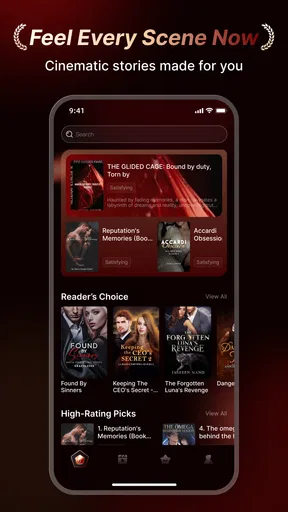
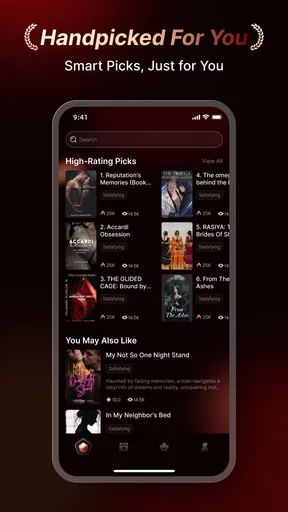
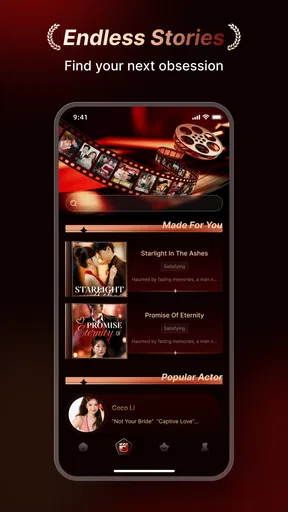
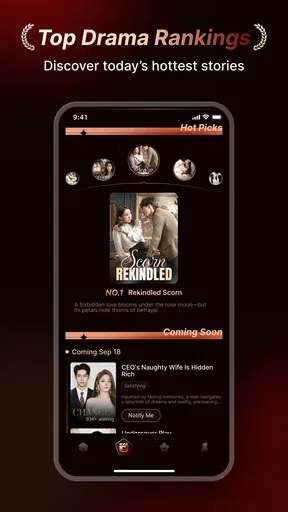
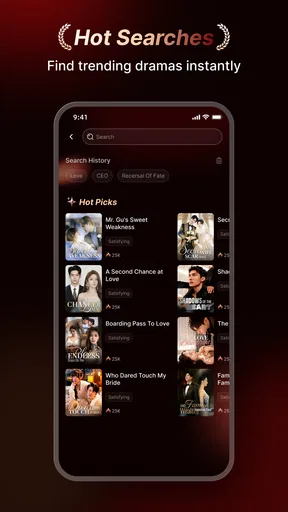
 Analysis by AppCompare
I spent time with Cinerra as an entertainment app built around two kinds of reading and viewing: short dramas and novels. That combination gives it a clear idea, especially for people who like switching between watching a story and reading one without moving between unrelated services. The developer is Tuofu Jiyuan, and the app is free to install, with optional in-app purchases priced from $4.99 to $299.99 per item. That range matters more than the word “free,” because the useful question is not simply whether you can download it, but how much of the experience remains comfortable without paying.
My overall impression is mixed. The concept is easy to understand, and the combination of serialized video and fiction can suit a quick break, a commute, or a quiet evening. At the same time, the very low average rating of 1.4 from around 27 ratings suggests that many early users have not found the experience satisfying. I would not ignore that signal. Cinerra may appeal to a narrow audience, but I would approach it as an app to test cautiously rather than an entertainment service I could recommend to everyone.
How Cinerra works as a story hub
The central appeal is the meeting point between short dramas and novels. Instead of treating video and text as completely separate habits, Cinerra places them in one entertainment destination. I can imagine opening it when I have only a few minutes, watching part of a compact story, and later choosing written fiction when I want something quieter. That makes the app more interesting than a single-format catalog, even though the quality of that idea depends heavily on how well the two sides are organized.
The store description presents it as a place where stories come to life, but the practical value is more specific: it is aimed at people who enjoy ongoing, bite-sized narratives. This is not the same use case as a traditional long-form streaming service or a dedicated e-reader. Those alternatives usually make their format obvious from the start. Cinerra asks you to move between formats, which can be convenient when it matches your mood but distracting when you only want one particular type of content.
In everyday use, I would treat it as a spontaneous entertainment app rather than a carefully planned media library. It fits the moment when I am waiting for an appointment, taking a short lunch break, or looking for a story before bed. The short-drama side is naturally suited to brief sessions, while novels can offer a slower pace. That contrast is one of the app’s strongest ideas, but it also means the interface needs to make the difference between watching and reading immediately clear.
The cost is more complicated than “free”
Cinerra can be downloaded without an upfront purchase, which lowers the barrier to trying it. That is useful for curious readers and viewers who do not want to commit to a subscription before seeing whether the catalog and presentation suit them. However, free installation should not be confused with unlimited free access. The app includes in-app purchases, and individual items can cost anywhere from $4.99 to $299.99.
That is a very wide purchase range. A lower-priced item may be reasonable for someone who becomes attached to a particular story, while the upper end represents a major spending decision. I would therefore avoid adding payment details casually or treating every unlock as a small impulse purchase. Before paying, I would check exactly what the purchase unlocks and whether it applies to one story, a group of chapters, or another defined part of the service. The important point is that the verified pricing describes items, not a simple all-access price.
Worth Reading Before You Choose

Flipboard Shows What News Apps Must Do Beyond the Feed

Switching to Android Auto Means Rethinking Your Driving Routine

Google Calendar Makes a Crowded Week Easier to Manage

Ludo King Makes the Most of the Minutes Between Plans

Baby Panda World Brings Quick Play to Modern Phones, but Its Game Library Feels Busy

ESPN’s Live Game View Makes Following Close Games Easier
For a free user, the sensible approach is to explore first and spend only after identifying a specific reason. If the app gives enough material to establish that its dramas and novels match your taste, a modest purchase could make sense. If the first session feels limited or confusing, paying more will not automatically solve the underlying problem. The free entry is valuable mainly as a trial, not as proof that the complete experience costs nothing.
What value the format can deliver
The best value comes from flexibility. Many entertainment apps force me to choose between watching and reading before I even know what kind of mood I am in. Cinerra’s combined approach makes that choice less rigid. A viewer who normally watches short episodes may discover that a novel is a better fit for a quiet setting, while a reader may appreciate having a visual alternative when attention is limited.
There is also a useful continuity between the two formats, at least in principle. Stories can occupy different parts of the day without requiring a separate app for every habit. I can picture using the drama section during a noisy commute, then returning to a novel at home when I want to concentrate. That is a more meaningful benefit than simply having two content types listed together; it is a way to match the format to the situation.
Still, I would not assume that every user will experience the app as a seamless library. A combined catalog can become cluttered if recommendations, categories, or progress tracking do not distinguish novels from dramas clearly. The value depends on whether I can quickly resume the right story and understand what I am about to open. For this kind of app, small navigation decisions have an outsized effect on whether the central concept feels convenient or messy.
One practical tip is to decide your preferred session length before opening the app. If I have only five or ten minutes, I would look for a short drama rather than begin a novel that may encourage a longer commitment. If I want to settle in for uninterrupted reading, I would avoid browsing the video side first, because the visual format can pull attention away from the calmer activity I intended to choose. Using the two formats deliberately makes the app feel more useful than simply scrolling through whatever appears first.
Where the tradeoffs become noticeable
The first tradeoff is variety versus focus. Having dramas and novels together sounds efficient, but it can also make the app feel less specialized than the usual alternatives. A dedicated short-video service may be better for someone who wants rapid visual browsing, while an established reading app may offer a more focused environment for long sessions with text. Cinerra’s advantage is the crossover, not necessarily superiority in either individual format.
The second tradeoff is spending control. The free download makes experimentation easy, but the purchase range means users need to stay alert to the difference between sampling and committing. I would be especially careful if I tend to buy several chapters or stories in quick succession. A good personal rule is to finish enough of one free or low-cost experience to decide whether the writing, pacing, and presentation are genuinely holding my attention before making another purchase.
The third tradeoff is trust. The app has an Everyone content rating, which makes it broadly approachable from an age-classification standpoint. That does not tell me whether every story will suit my personal preferences, nor does it guarantee that the catalog will feel polished. The rating is helpful for basic suitability, but it should not be mistaken for a quality assessment.
The public response also gives me pause. Cinerra has around 10K installs, yet its average rating remains 1.4, with around 10 written reviews. A small review pool can shift quickly, so I would not treat the score as a complete verdict on the product. Even so, such a low average is a meaningful warning. It tells me to test the app without assuming that the attractive format has already translated into a dependable experience for most early users.
Compatibility and the current release
The app requires Android 7.0 or later, so it is not aimed only at recent phones. That gives people with older compatible devices a chance to try it, although actual comfort will naturally depend on the handset and the way the app handles video and reading. I would use a stable connection for the first exploration, particularly when moving between visual and text-based content, because a poor connection can make an otherwise fair first impression difficult to judge.
The current version is 1.0.7. That places Cinerra in an early stage of its life, and I see that as both an opportunity and a caution. Newer apps can improve quickly as the developer learns what users need, but early releases may also feel less settled than mature competitors. I would pay attention to whether updates make navigation clearer and whether the app becomes more transparent about purchases. Those are the areas most likely to determine whether the concept develops into a reliable service.
One useful workflow is to keep your first visit observational. Browse the available story types, open a sample or free section if one is available, and note how easily you can return to the same title later. Then close and reopen the app before spending anything. This simple test reveals whether the app supports the basic habit of resuming a story, which is more important than a visually attractive first screen.
Who is most likely to enjoy it
Cinerra is best suited to people who genuinely like both short dramas and novels. If your entertainment routine already moves between watching and reading, the unified format may save some friction. It is also a reasonable candidate for casual users who want an app for small pockets of free time rather than a single large commitment.
It may work particularly well for someone who chooses entertainment according to surroundings. Watching can be convenient when I am not in the mood to read, while a novel is more practical when sound or video would be inappropriate. The ability to change format can make the same app useful at different points in the day, provided the content selection is strong enough to keep me interested.
I would be more hesitant to recommend it to a person who wants a predictable, unlimited library at one clear price. The purchase structure does not provide that kind of simple value proposition. I would also suggest skipping it if you only want premium long-form television, a deep specialist reading catalog, or a mature recommendation system. In those cases, a dedicated service is likely to be easier to evaluate and easier to budget for.
Parents may appreciate the Everyone rating as a basic indication that the app is broadly classified for general audiences. Even so, I would still look at the individual stories before handing the device to a child, because an age label does not replace personal judgment about themes, tone, or spending. If children can access the app, purchase controls deserve particular attention because the item prices extend well beyond a casual one-off expense.
How it compares with familiar alternatives
Compared with a conventional video platform, Cinerra’s distinguishing idea is not simply short viewing. It adds novels to the same entertainment space, which can be useful when I want to change from watching to reading without searching for another service. The compromise is that a specialist video app may provide a more direct browsing experience for viewers who never want text.
Compared with a dedicated novel app, Cinerra offers more immediate visual variety. That can help when reading concentration is low, but it may also weaken the sense of a quiet reading environment. Someone who treats reading as a focused daily habit may prefer an app designed around books alone, especially if clear reading tools and library organization matter more than format switching.
Compared with subscription-based entertainment services, Cinerra is easier to try because the download is free, but its item-based purchases make the final cost less predictable. A subscription can be poor value for someone who watches or reads rarely, while individual purchases can become expensive for a heavy user. The better choice depends on whether you consume a few carefully chosen stories or move through content constantly. Cinerra makes more sense for the former than the latter unless its free access proves unusually generous in practice.
My practical recommendation before spending
I would begin with a short, controlled test rather than a long browsing session. Try one drama and one novel, then compare how easy each is to discover, follow, and resume. Notice whether the app helps you understand what is free and what requires payment. This is a better measure of value than judging the concept from the store summary alone.
Next, decide what kind of user you are. If you want occasional stories and enjoy changing formats, the free installation may be enough to justify keeping Cinerra available. If you expect a large daily catalog, calculate your likely spending from individual purchases before becoming invested in several titles. The upper purchase level makes that planning especially important.
I would also avoid judging the app solely by one disappointing story. A mixed catalog can contain titles that appeal to different tastes, and the low average rating does not explain every individual complaint. At the same time, I would not dismiss the rating either. If the interface, payment clarity, or content quality feels frustrating during the first session, there is little reason to assume a later purchase will make the experience worthwhile.
My verdict: try it free, but keep your expectations and spending limits clear. Cinerra has a specific and potentially useful identity: short dramas and novels in one entertainment app. That makes it worth a cautious look for people who enjoy both formats and want something adaptable to short breaks. The Everyone rating and support for Android 7.0 or later make the trial broadly accessible, while the free download removes the need for an immediate commitment.
However, I would skip it if you need a proven, polished alternative to a dedicated streaming or reading service. The 1.4 average rating is too low for me to offer an unqualified recommendation, and the broad in-app purchase range makes careless spending a real concern. For my own use, I would keep Cinerra in the “test first” category: potentially appealing as a flexible story hub, but not yet convincing enough to replace the specialized apps I already trust.
Pros
- Simple interface makes browsing movies and shows quick.
- Useful filters help narrow down titles by genre or release year.
- Detailed listings provide essential information before watching.
- Lightweight design performs well on many Android devices.
- Regular content updates can help users discover newer releases.
Cons
- Availability of titles may vary by country or region.
- Some listings may lack complete cast or production details.
- Search results can be inconsistent for less popular titles.
- The app may rely on an internet connection for most features.
- Advertisements may interrupt browsing on the free version.
FAQs for Cinerra
What is Cinerra and what can I use it for?
Cinerra is an entertainment-focused app designed to help users discover and explore movies and other cinema-related content in one place. After reviewing its main sections, the app appears most useful for browsing titles, checking available information, and finding something to watch based on personal interests. The exact features may vary by version, region, and the services connected to the app.
Is Cinerra free to download and use?
Cinerra may be available to download at no initial cost, but users should check the app store listing carefully before installing it. Some features, content, or services may require in-app purchases, a subscription, registration, or access to a separate streaming platform. Pricing and availability can change, so reviewing the current terms, payment details, and cancellation conditions is recommended before committing to any paid option.
Can I watch movies directly inside Cinerra?
Whether you can stream a movie directly through Cinerra depends on the app’s current functionality, your location, and the title involved. In some cases, Cinerra may primarily provide discovery tools, movie details, recommendations, or links to external viewing services rather than hosting the video itself. Check each title’s available action and confirm whether another app or subscription is required.
Does Cinerra require an account or personal information?
Some parts of Cinerra may be usable without creating an account, particularly basic browsing and title discovery. However, features such as saving favorites, synchronizing preferences, receiving personalized recommendations, or accessing premium content may require registration. Before signing up, review the permissions and privacy policy so you understand what information is collected, how it is used, and whether you can delete your account later.
Is Cinerra available on both Android and iPhone?
Cinerra’s availability can differ between Android and iOS, as well as between countries and app-store regions. Before downloading, search for the official listing on Google Play or the Apple App Store and verify the developer name, supported operating system, recent update date, and user reviews. Avoid unofficial download sources, since modified versions may create security, privacy, or compatibility problems.


